
By Steven Pust, Executive Trainer & Running Coach, NW Fitness Project (Seattle, WA)
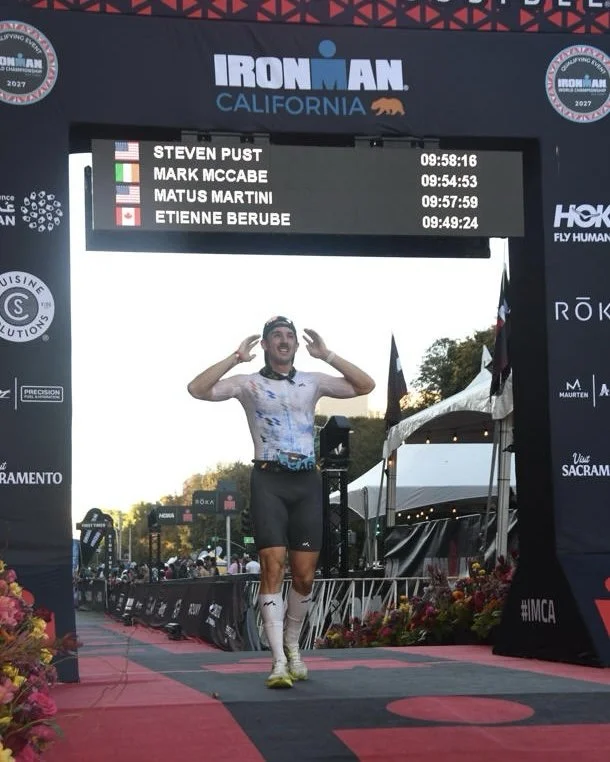
On October 18, 2026, I crossed the finish line at Ironman California in 9:58:16. Breaking 10 hours in my first full-distance race was the biggest goal I have ever set and completed. Three years earlier, I had never run a half marathon. Two years earlier, my first swim workout was 400 yards in 34 minutes, most of it spent clinging to the wall.
This is how a pole vaulter became an Ironman, and what that path taught me about starting triathlon from wherever you are right now.
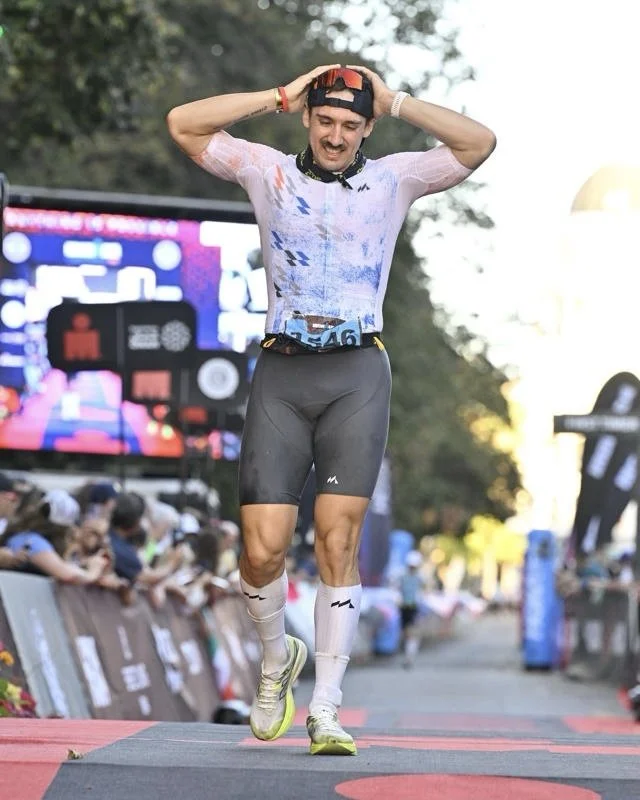
Before the Endurance Bug
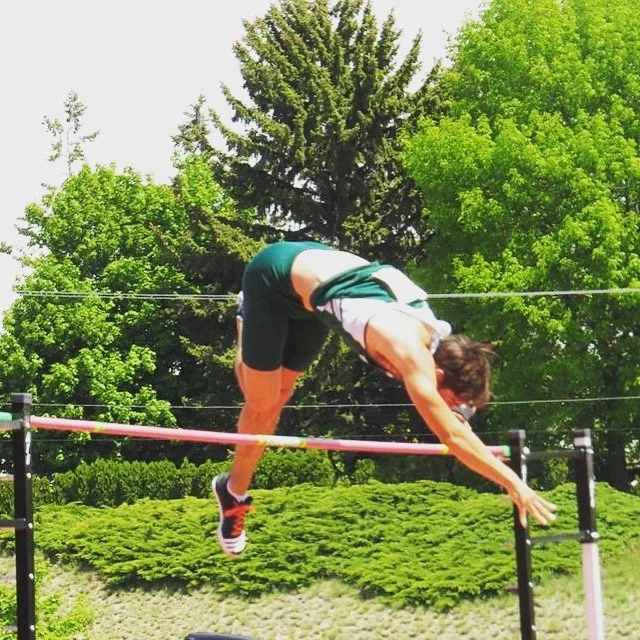
For 16 years I was a pole vaulter, and I did it at every level: beginner, high school, college, and professional. Pole vault is about as anaerobic as sport gets: a 20-second sprint, a plant, and a few seconds in the air. A "long" workout was a stack of short, explosive efforts with plenty of rest in between.
When I retired in 2019, I stayed in that lane. I lifted, I bouldered for a while, and endurance was nowhere on my radar. If you had told me I would one day race 140.6 miles, I would have laughed.
Number 1 - The Half Marathon (Blame Karen)
When Karen and I were dating, I was not running at all. She suggested the 2023 San Francisco Half Marathon because she knew it would challenge me. She was right. I finished in 1:44, and something clicked: endurance training was a puzzle I could solve one week at a time.
Number 2 - The Marathon
The half turned into a full. I ran my first marathon at the California International Marathon (CIM) in 2024 and finished in 3:41. A year of consistent training later, I went back to CIM in 2025 and ran 3:24. Seventeen minutes faster, with no magic, just structure and patience.
Number 3 - The Bet
In September 2024, my best friend Sam bet me that I could not finish a 70.3 Ironman. His reasoning was simple: I was terrible at swimming. He was not wrong.
My very first swim workout was 400 yards in 34 minutes. I could barely swim a single length without panicking, and I spent most of that session at the wall, calming myself down before the next one. If you have ever felt out of place in a pool, I have been exactly there.
Number 4 - Boise 70.3: The Turning Point
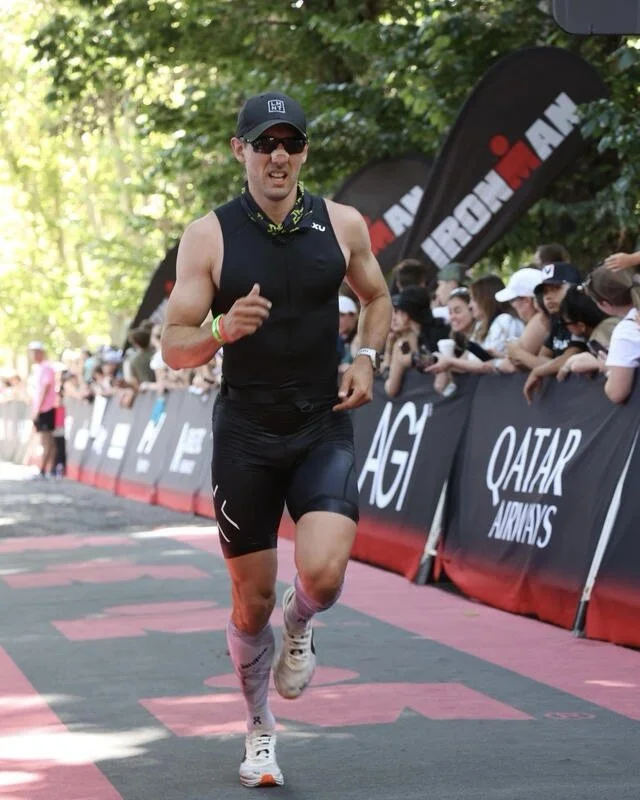
I crossed the line at Ironman 70.3 Boise in 2025, finishing in 5:11. It was the hardest thing I had ever done, yet I felt confident and in control from start to finish. The biggest takeaway was not the medal. It was knowing I had a lot left on the table.
Number 5 - Going All In
Boise did more than settle a bet. It showed me that I had fallen in love with the constant pursuit of self-improvement, and specifically with chasing goals that scare me. So I set my sights on a full Ironman.
The build paid off along the way. I lowered my 70.3 best to 4:44:18 at Ironman 70.3 Oregon in July 2026. Then, at Ironman California, I went sub-10:
Swim (2.4 mi): 52:52, from the guy who could not swim a single length
Bike (112 mi): 4:53:04
Run (26.2 mi): 3:56:16
Total: 9:58:16
The next scary goal is already on the calendar: earning a qualifying slot for the Ironman 70.3 World Championship in 2027.
How to Start Triathlon Training
You do not need a swim background, a fancy bike, or years of running to start. You need a plan that respects where you are today. These are the pillars I used, and the ones we coach at NW Fitness Project.
Pillar #1 - Respect the Swim
For most new triathletes, the swim is the scariest leg. Treat it as a skill first and fitness second.
Swim short and often (2 to 3 sessions per week beats one long one)
Rest at the wall as long as you need; that is part of the process
Prioritize technique and calm breathing before adding volume
Practice in open water before race day
Pillar #2 - Build the Engine Slowly
Three sports means three times the chance to overdo it. Keep most of your training easy and aerobic, add volume gradually, and limit yourself to one quality session per sport each week. Consistency beats heroic weeks every time.
Pillar #3 - Keep Lifting
Strength training was the multiplier in my pole vault career, and it still is in triathlon. Two sessions per week keeps you durable under high training volume and helps you hold form late in the race. (More on that in our hybrid training blog.)
Pillar #4 - Pick a Scary Goal and Tell Someone
A sprint or Olympic distance race is a great first target. Put a date on the calendar and tell someone who will hold you to it. For me, that someone was Sam.
Ready to Chase Your Own Finish Line?
Whether your goal is longevity, your first sprint triathlon, or an Ironman finish line, every trainer at NW Fitness Project is equipped to help you get there. We will build a plan around your life, your current fitness, and the goal that scares you a little.
Click below to set up a 30-minute conversation where we break down your current routine, your goals, and the first steps toward race day.
Book a Personal Training Consult select Personal Training on the dropdown
I started with 400 yards in 34 minutes. Your starting point is good enough.
