
YOUR HARDEST 3 MINUTES MIGHT CHANGE MORE THAN YOUR HEART RATE
by Alec Bulat, co-owner and Director of Product in response to NPR’s Study on HIIT Training
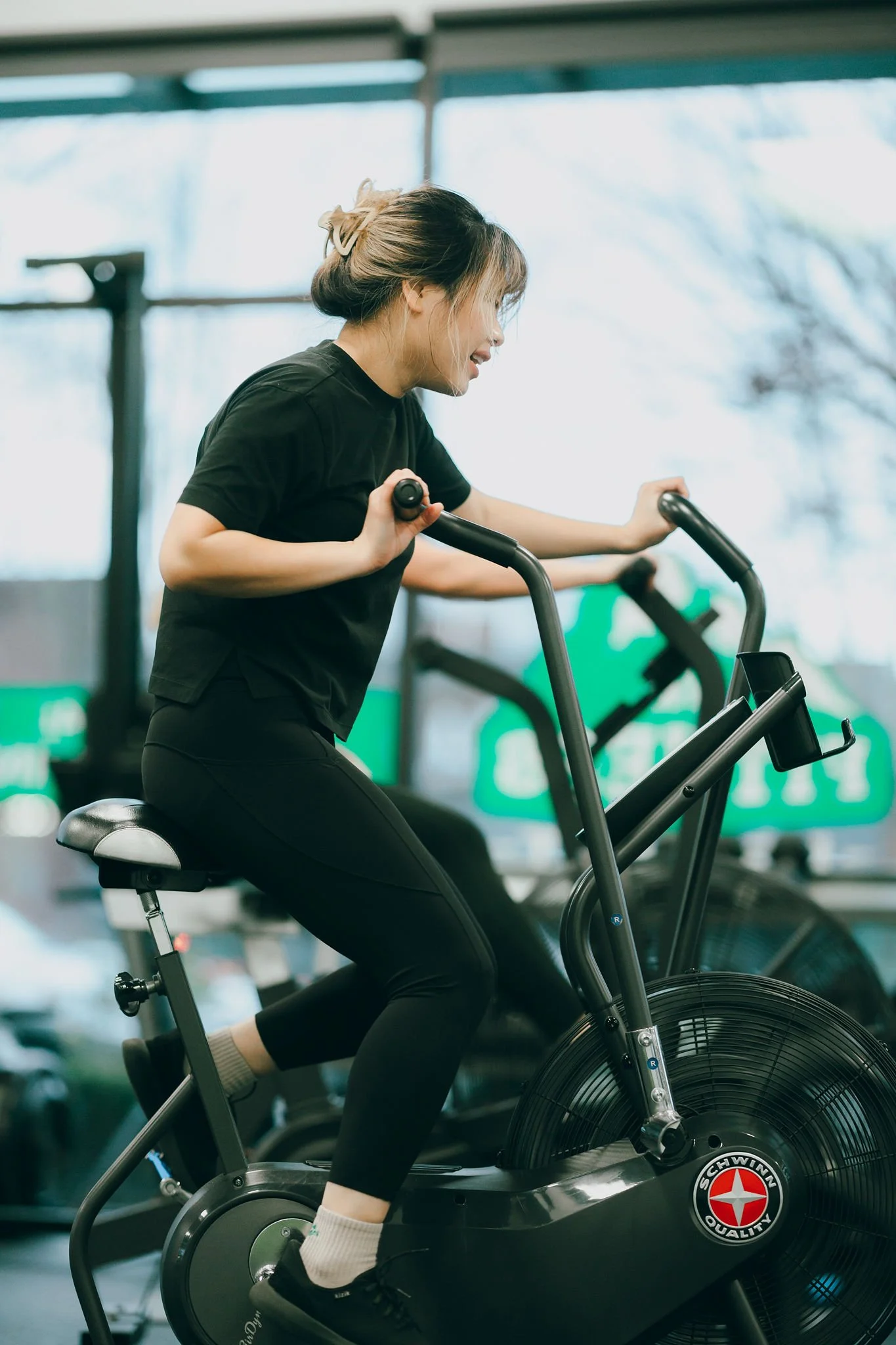
High intensity training can feel like you just got knocked out by a truck. You’re breathing heavily, sweating like you’ve been sprayed down by a hose, and your heart is pounding out of your chest (in a good way). So why do we do it? Well, it looks like it maintains a lot of really positive benefits, some even showing to have better results than moderate steady state cardio, for your metabolic health. NPR recently highlighted a new study on the physiological benefits of sprinting. As our Director of Product, I wanted to add a couple of additional highlights from some other studies and help our community better understand how this connects to our training philosophy.
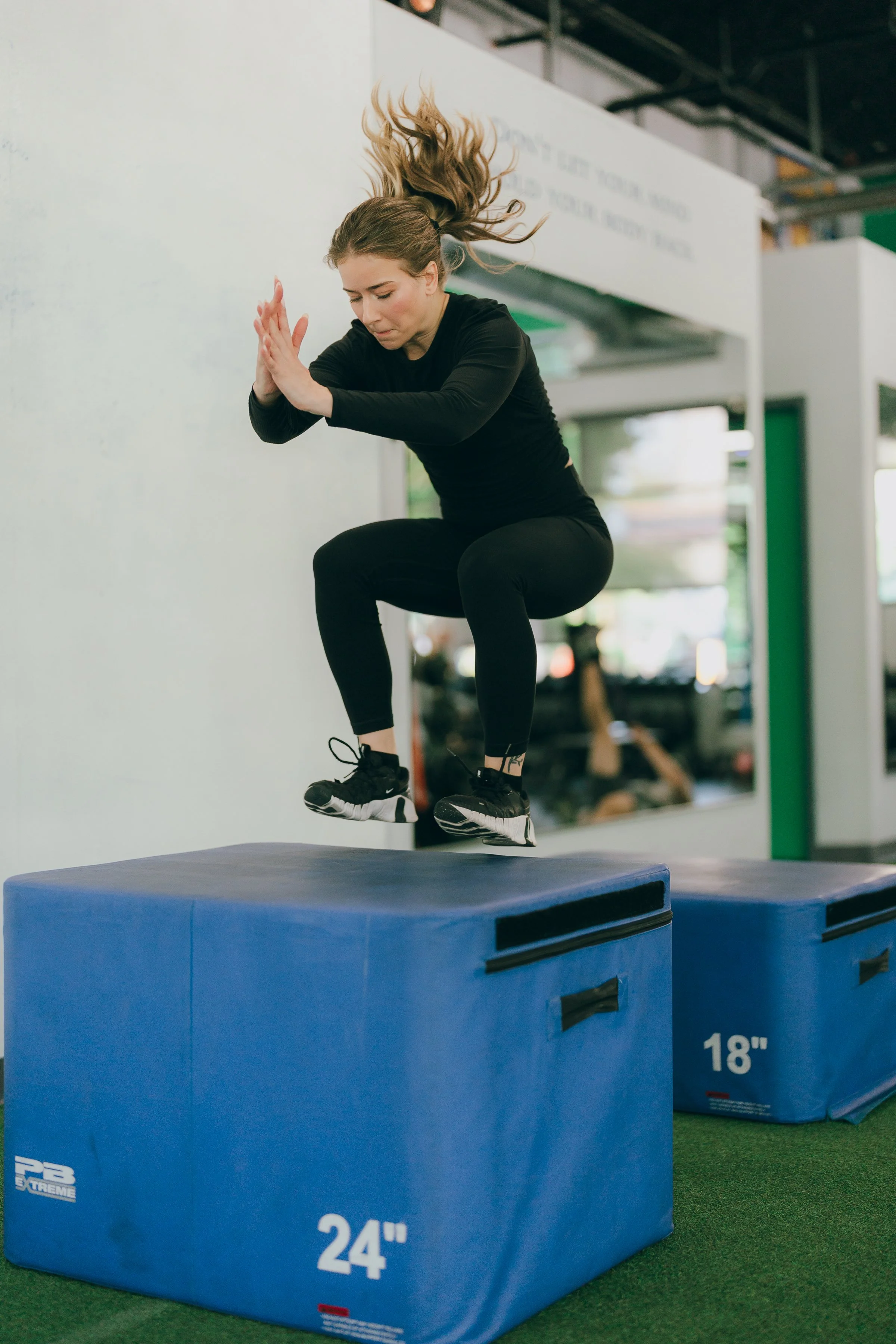
Key Benefits from high intensity work on your body’s physiology
There are clear signs of protein and metabolic shifts. Just 3-minutes of sprinting (in this case, 6x 30 second sprint bouts) alters nearly 25% of measured blood proteins, and 200 metabolites compared to .25% in 90-minutes of moderate intensity cycling. You might be asking yourself, “why is this good?” Well for one, we need to acknowledge that the authors feel that increased molecular change is seen as a positive. But the signaling surge essentially does a couple of things;
A) The increase in measured blood protein is tied to blood vessel growth, tissue remodeling, and positive hormonal signaling; B) improving the cross-communication between our organs and the communication channel they choose to use (the circulatory system), which is helpful is gene remodeling for fat cells and reprogramming fuel processing within those fat cells.There is evidence that this also is significant for disease risk biomarkers, as high intensity work has been shown to positively modulate ~30 proteins that are associated with risk of obesity, type 2 diabetes, and certain cardiovascular diseases.
Additionally, research has supported that sprint interval type training has shown to increase maximal oxygen consumption (VO2max), enhanced phosphocreatine buffering capacity and better glycolytic expression increasing anaerobic power, and resisted sprint training has been shown to increase change of direction, vertical jump height, and explosive power development (Han & Liu, 2025; Li, Chen, & Zhang, 2025; and Thurlow et al., 2024)
What this means is that you effectively increase your ability to pump blood and deliver oxygen throughout your body more efficiently (your body literally gets better at taking in and using oxygen), lower disease risk, and increase muscle power and the ability to recreate power outputs for longer over time. Which is especially important as we start to age, as it’s been found that we lose our muscle power faster than absolute muscular strength over time (El Hadouchi et al., 2022).
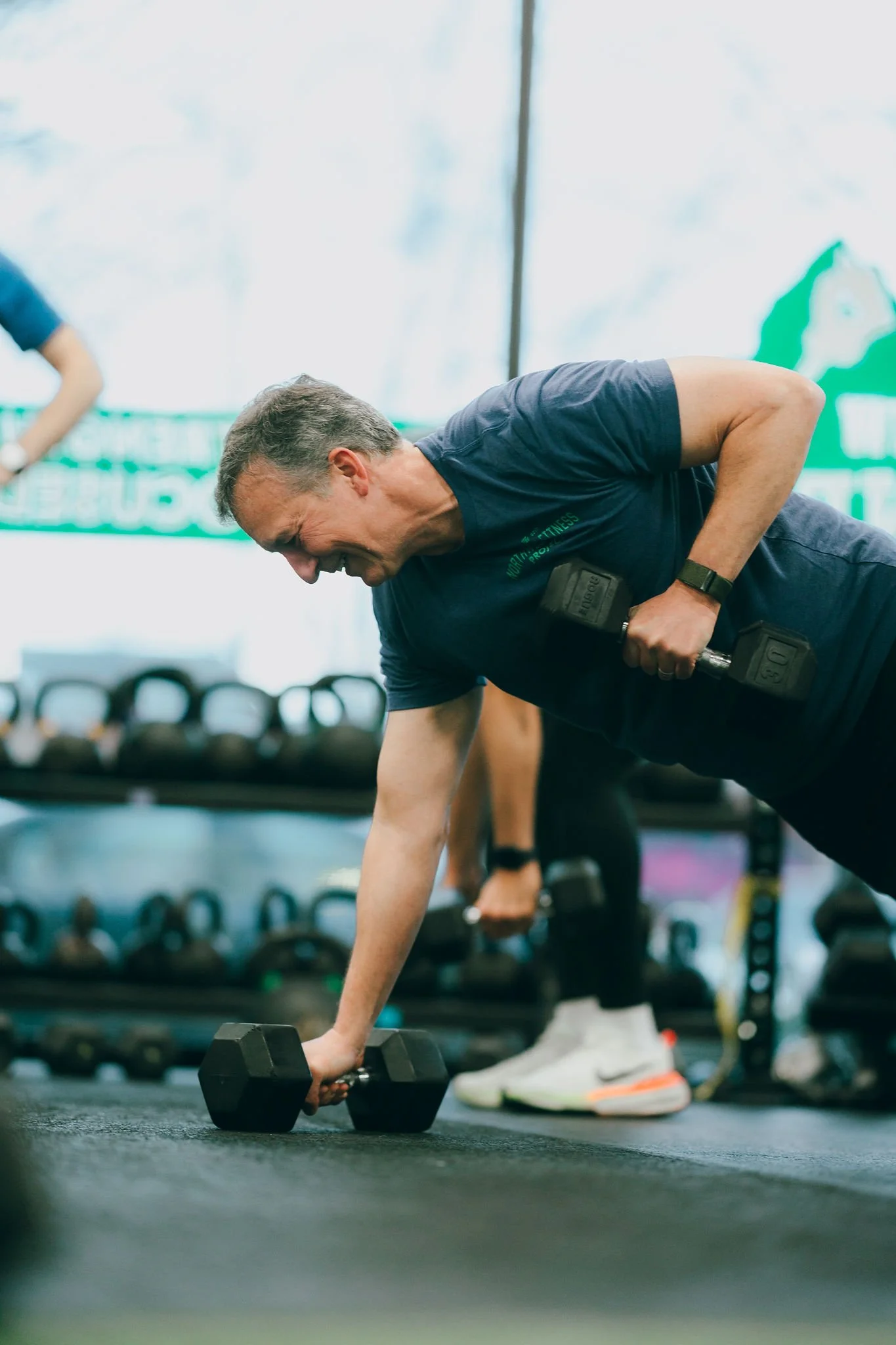
how you can apply these benefits
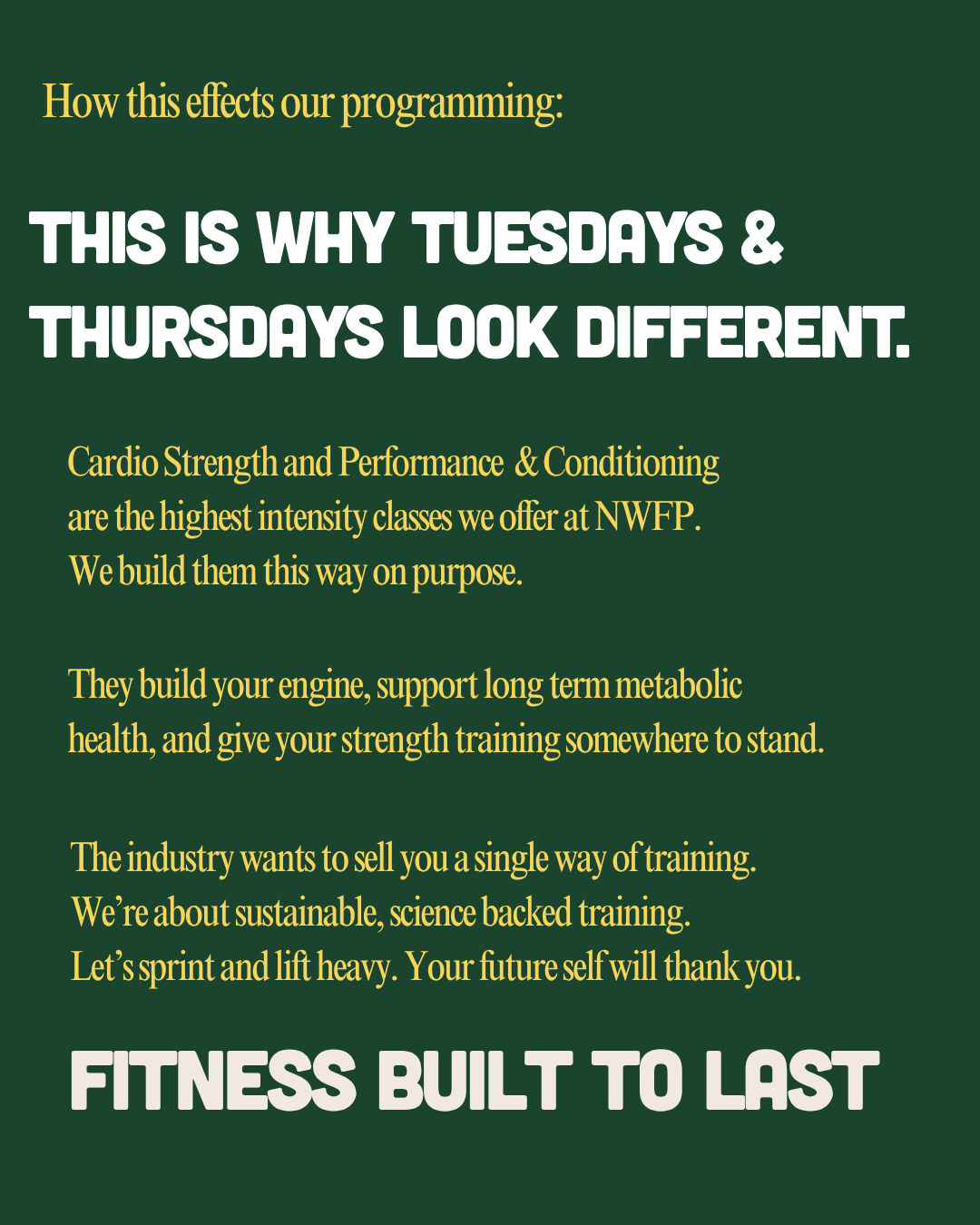
This is why we continue to have our Cardio Strength classes on Tuesdays (Fremont) and Thursdays (WS) , and Performance & Conditioning (Thursdays @Fremont) which are the highest intensity classes available at NWFP. We do so because not only does it positively affect your strength training by increasing work and recovery capacity, but also because it provides benefits to your metabolic health in a way that just standard strength training cannot. It helps with muscle power, decrease in certain disease risk, and more efficient oxygen usage over time.
Don’t get us wrong, we all love a good strength training session - it’s why our primary offering is our Strength & Muscle format- but for your overall well-being, cardiovascular, metabolic, and tissue repair health, this is a unique new study that contributes a lot of new information showing some of the potential health benefits of HIIT training and other metabolic conditioning. It is important to note, that the author of the research in the article specified in the NPR article does not state that this proves that “sprinting is better”, but that it is a tool that can be useful in improving metabolic health and growth and repair signaling within the body. The study suggests that there is improvement to fat cells “priming”, which could be beneficial to people trying to lose weight. We want to be clear, this is not to say that calories suddenly don’t matter, you still need to be at a caloric deficit to lose weight, and this new evidence does not supersede that; but it is helpful in weight loss nonetheless.
If you’ve only tried Strength and Muscle, this is a great time to work a Cardio Strength or a Performance & Conditioning class into your workout routine. Here’s to lifting heavy and sprinting!
Citations:
El Hadouchi M, Kiers H, de Vries R, Veenhof C, van Dieën J. Effectiveness of power training compared to strength training in older adults: a systematic review and meta-analysis. Eur Rev Aging Phys Act. 2022 Aug 11;19(1):18. doi: 10.1186/s11556-022-00297-x. PMID: 35953775; PMCID: PMC9367108.
Han M and Liu B (2025) A multilevel meta-analysis of the effects of repeated sprint training in hypoxia on athletic performance. Front. Sports Act. Living 7:1641379. doi: 10.3389/fspor.2025.1641379
Li C, Chen L, Zhang Q. Effects of resisted sprint training on sprint, jump, and change-of-direction performance in athletes: a systematic review and meta-analysis. Front Physiol. 2025 Nov 26;16:1711992. doi: 10.3389/fphys.2025.1711992. PMID: 41384249; PMCID: PMC12689304.
Thurlow F, Huynh M, Townshend A, McLaren SJ, James LP, Taylor JM, Weston M, Weakley J. The Effects of Repeated-Sprint Training on Physical Fitness and Physiological Adaptation in Athletes: A Systematic Review and Meta-Analysis. Sports Med. 2024 Apr;54(4):953-974. doi: 10.1007/s40279-023-01959-1. Epub 2023 Dec 2. PMID: 38041768.
